See everything living
beneath the surface.
Low tide is when the shore opens up. Intertidal tells you when that happens near you, names every anemone, crab and limpet you find, and keeps it all in a quiet field journal.
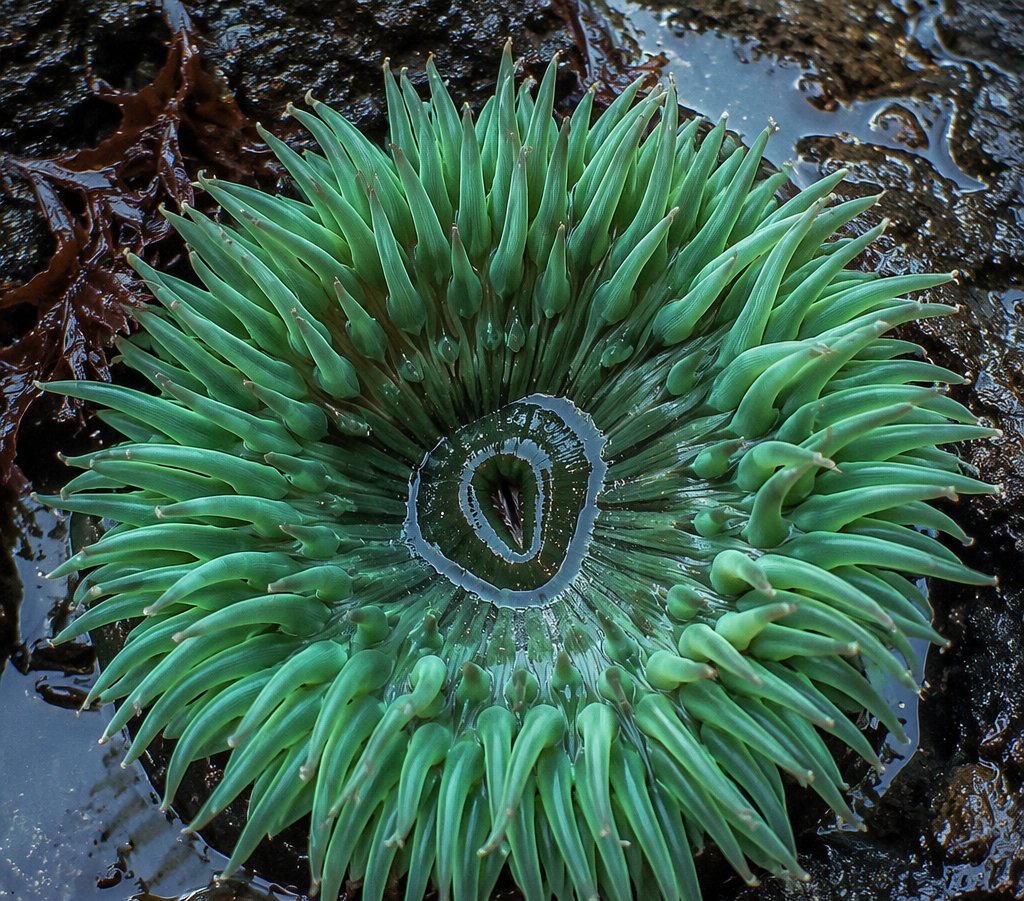
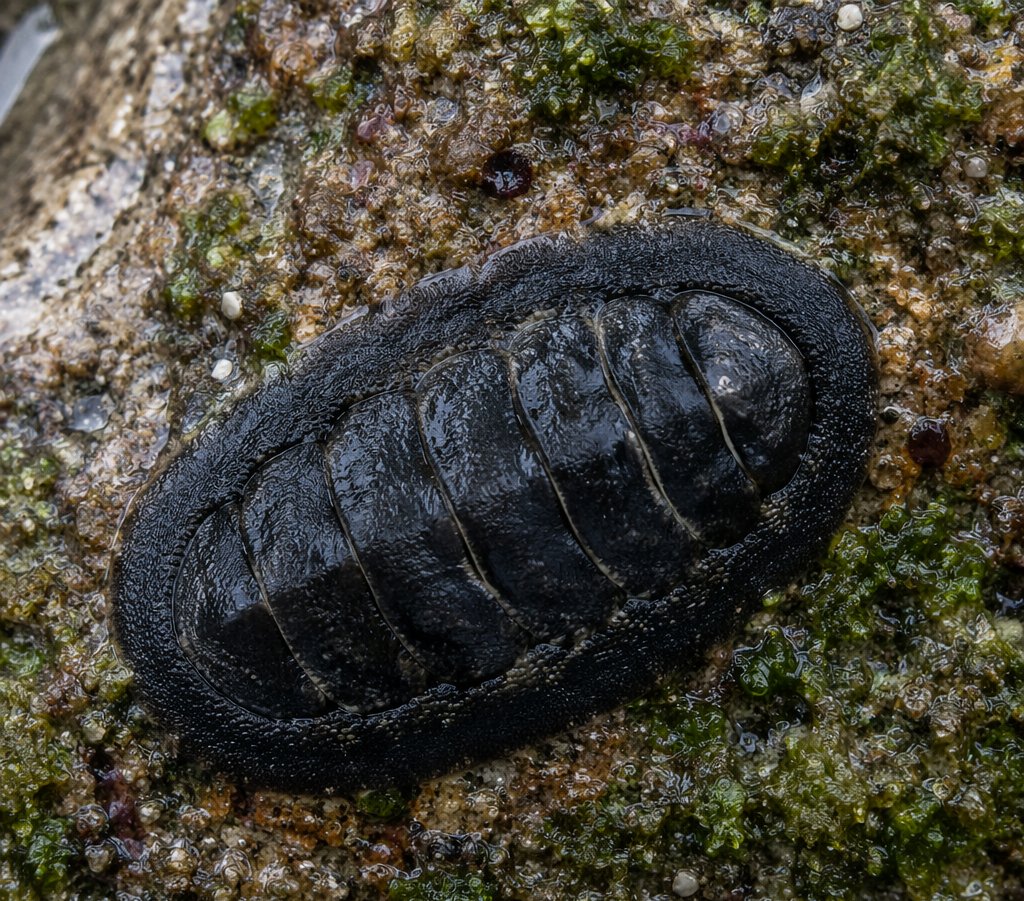
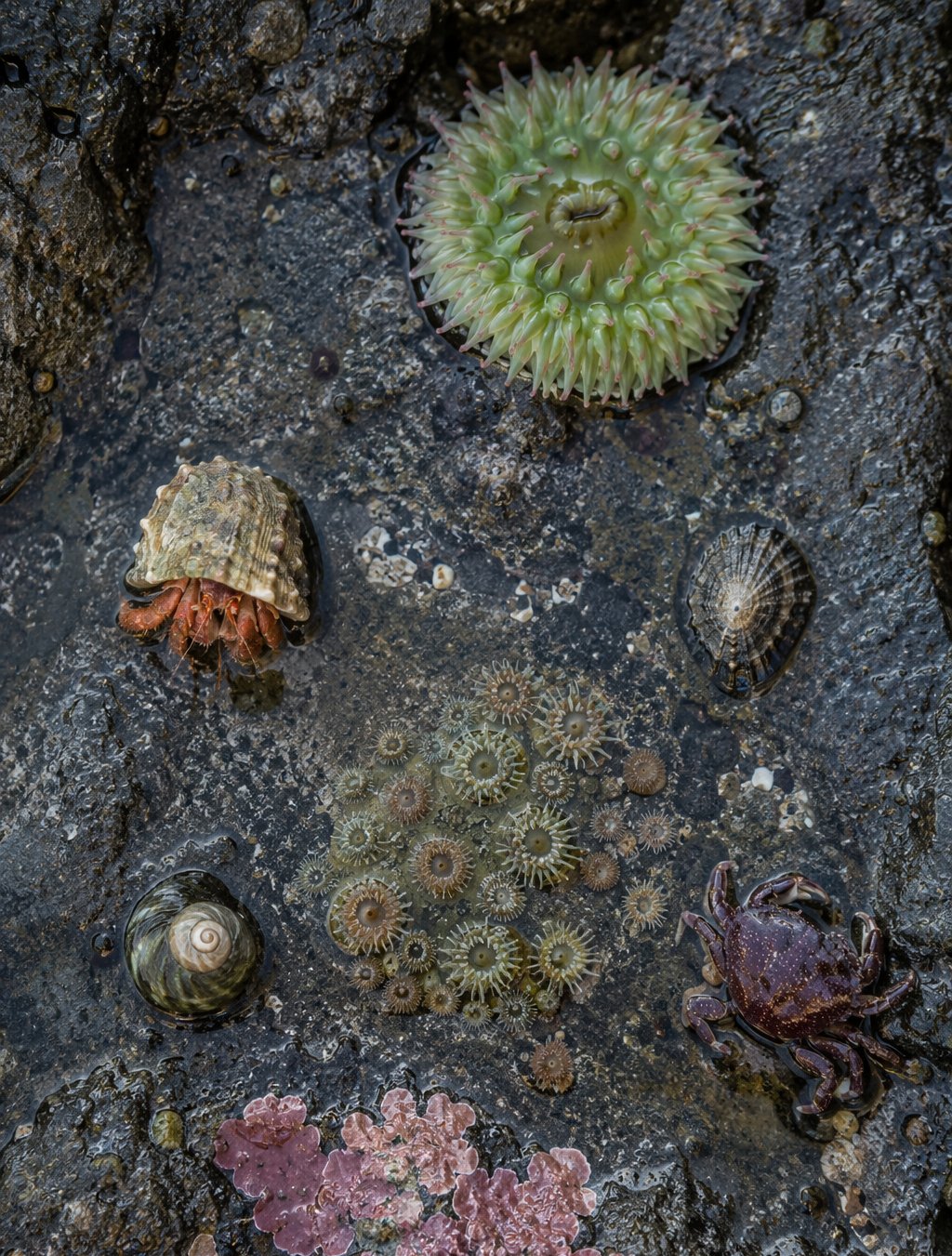
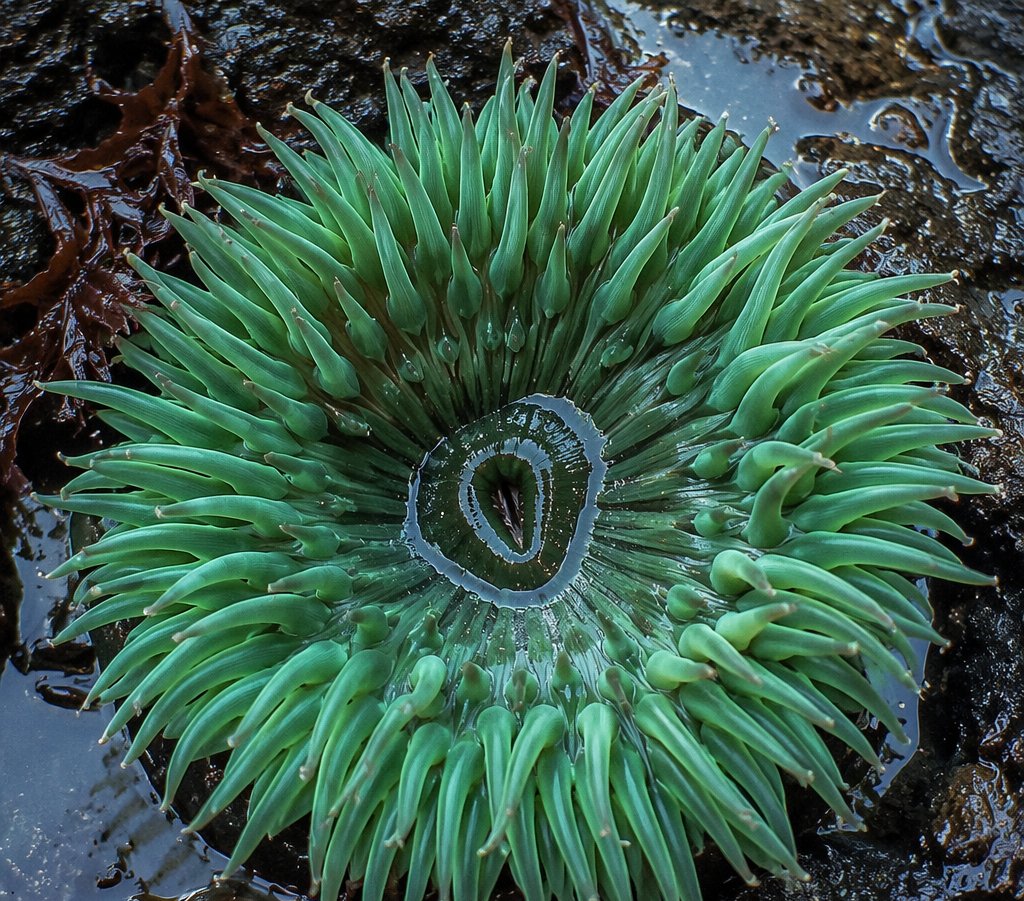
What a low tide
uncovers.
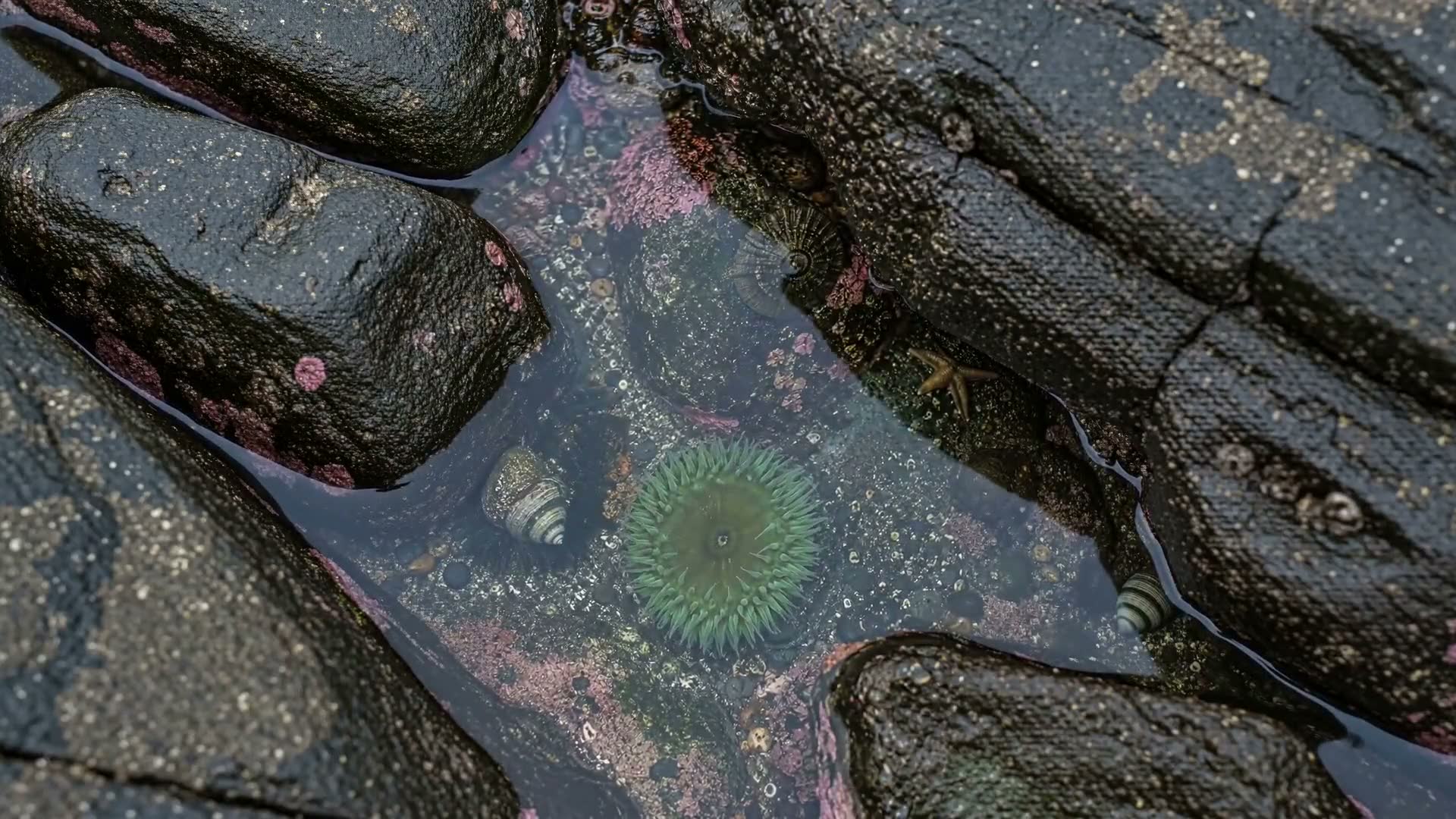
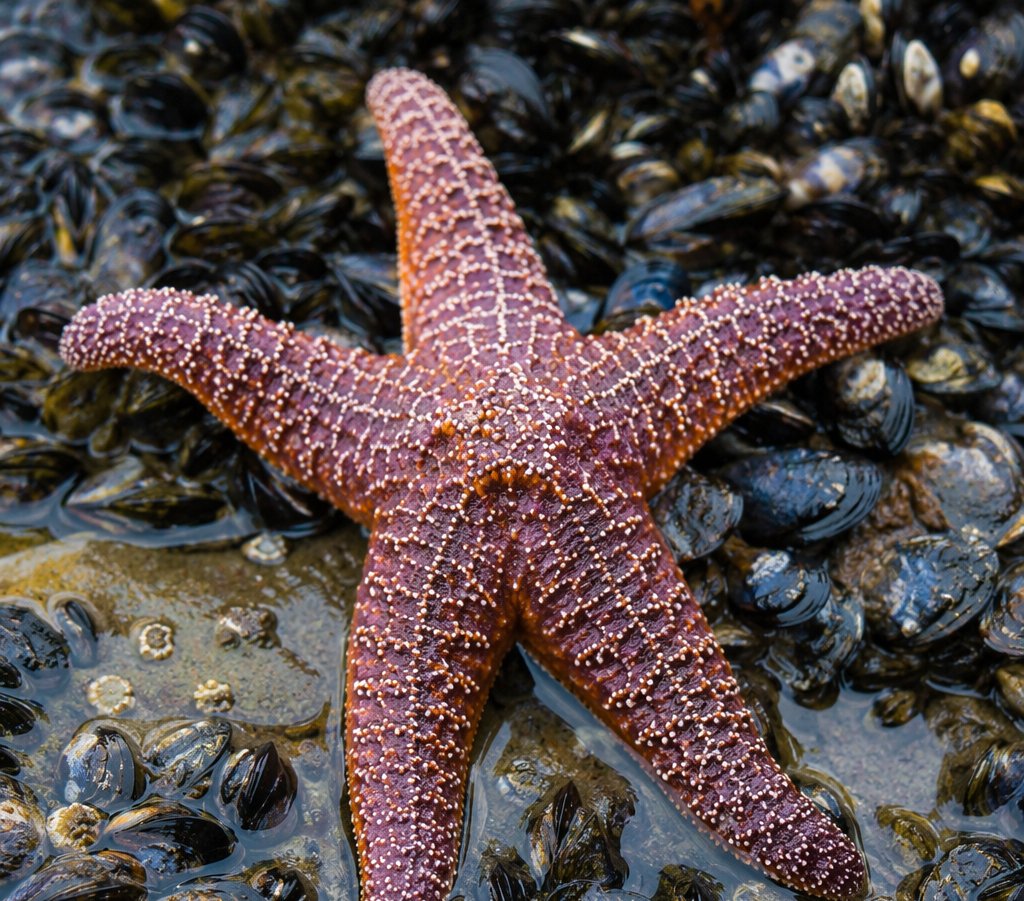
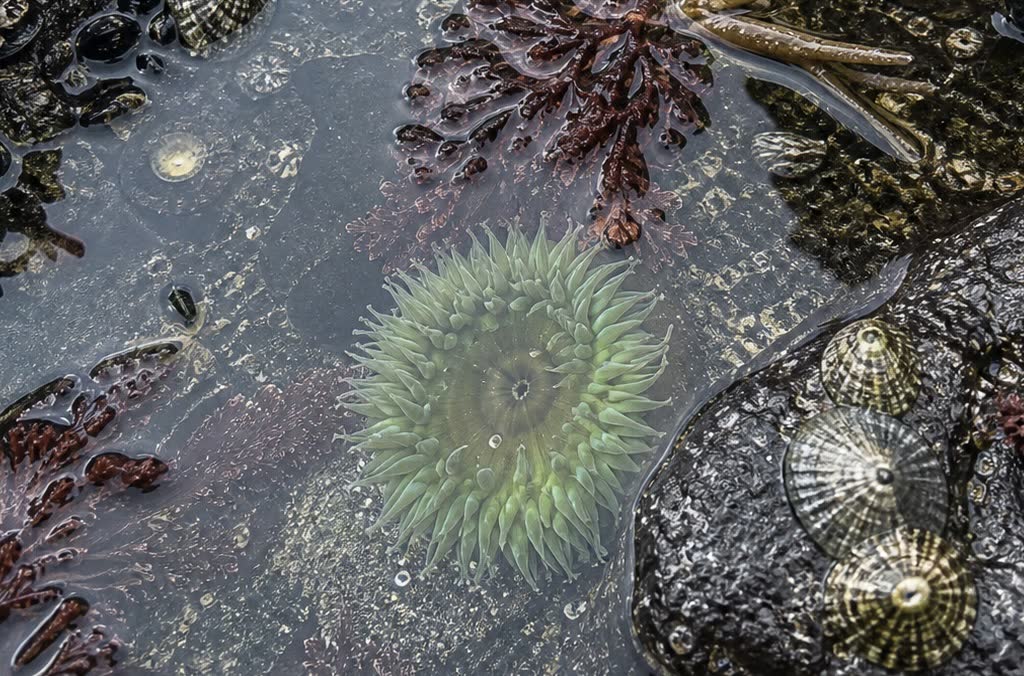
Anemones, snails, crabs and sea stars, on rock that was underwater an hour ago.
Four steps,
one low tide.
-
01
Find a rock pool near you
Open the map and the shores nearest you sort to the top. Hundreds of them around the world, every one with tide schedules, commonly found species, and parking information.
-
02
Go at the right hour
Not just low tide but the window around it. Intertidal reads the tide for your shore and tells you when the water will be far enough out to be worth the trip.
-
03
Point your phone at anything
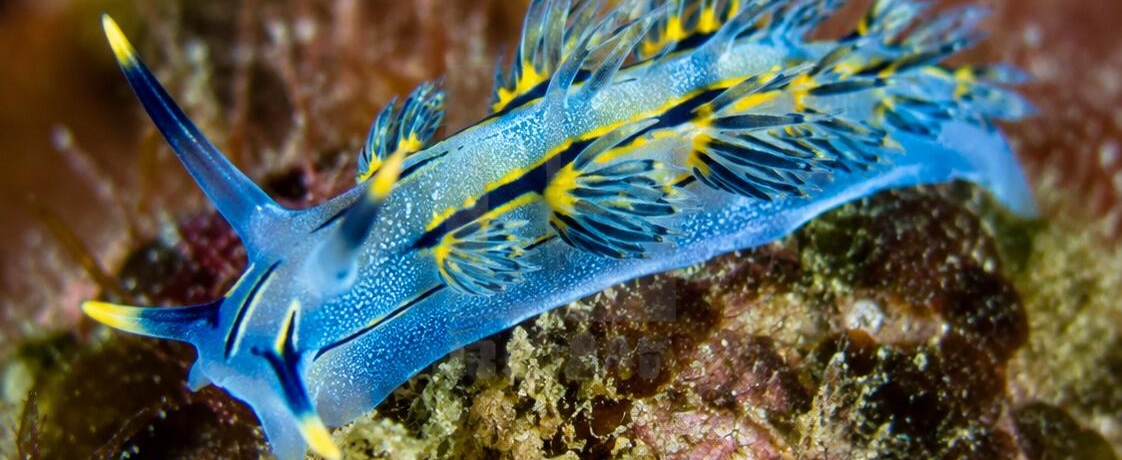
Anemone, crab, limpet, something you have no word for. Hold the camera on it and it comes back named with fun facts to share.
-
04
Record what you found
Every find goes into a field journal and a running life list of the species you have seen. Yours, on your phone, a perfect record to share with others.
Find your rock pool,
anywhere on Earth.
Fitzgerald Marine Reserve
Botanical Beach
Lyme Regis Fossil Beach
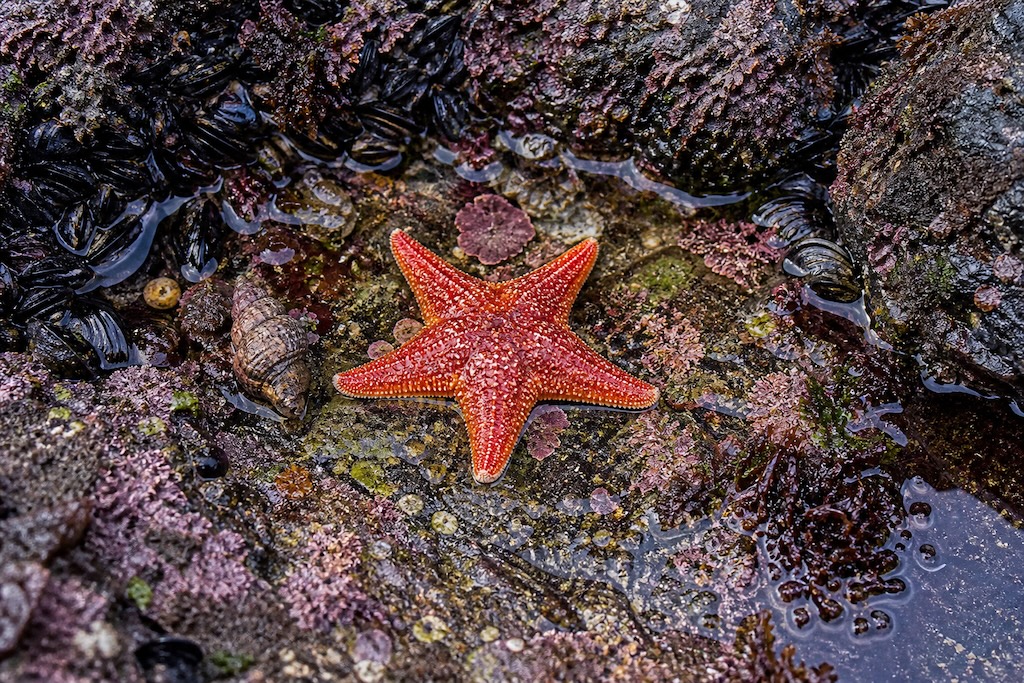
Ricketts Point
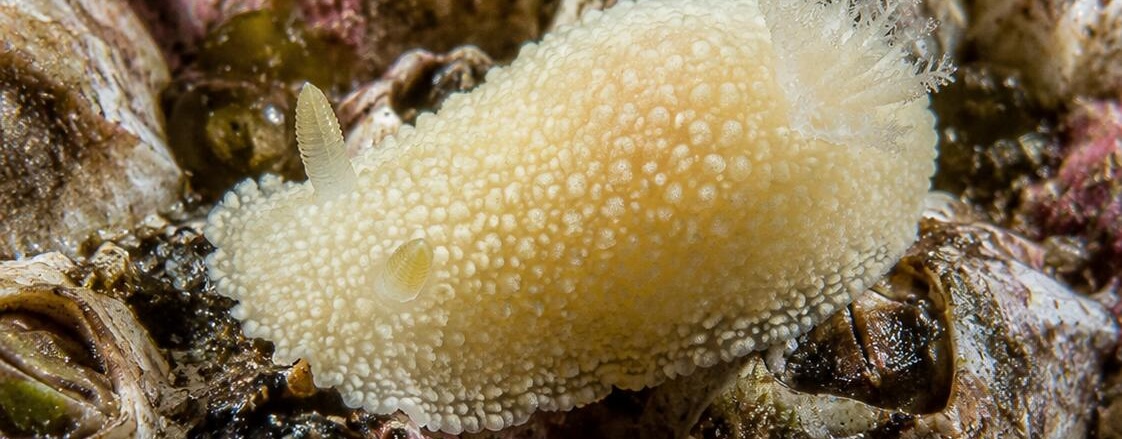
Kean Point Scenic Reserve
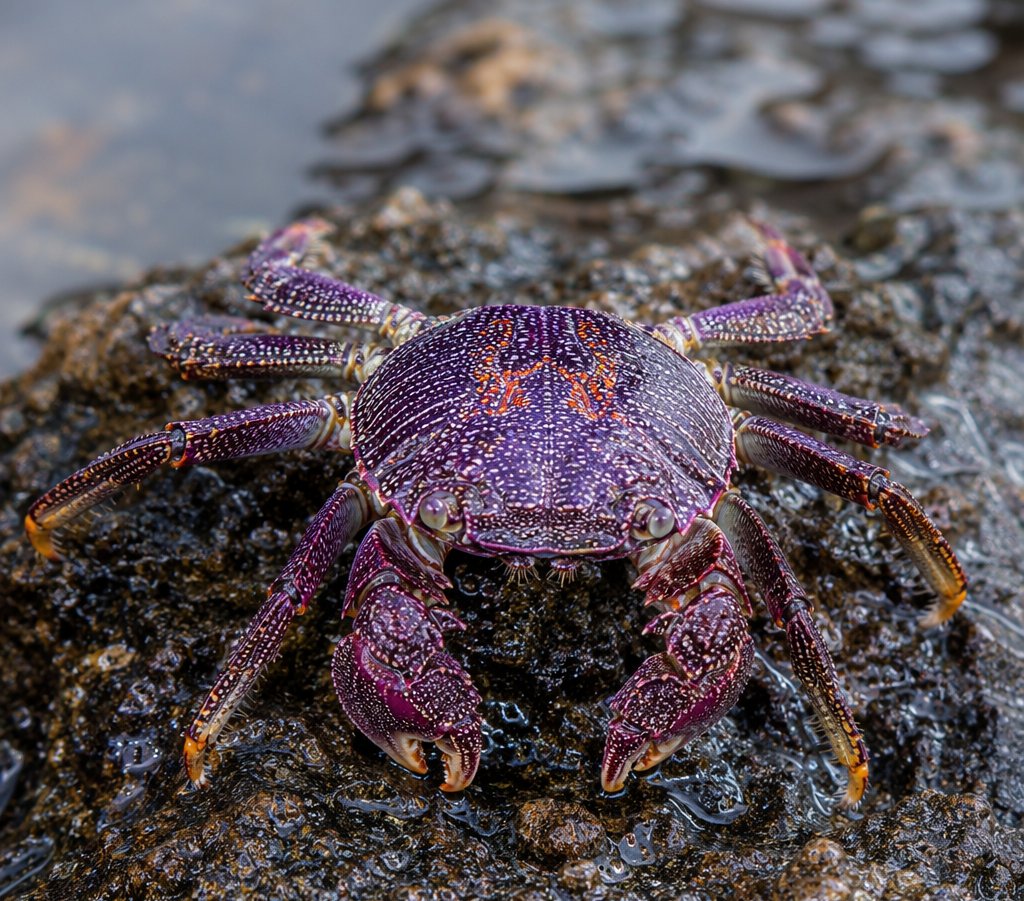
Cabo Pulmo
Before you go
What is a rock pool?
A hollow in rock that holds seawater after the tide goes out. It is a habitat in its own right, and everything in it is adapted to being underwater for half the day and exposed to air, rain and sun for the other half.
What time of day is best for rockpooling?
Whenever low tide falls, which moves by about fifty minutes a day. The useful question is which of the coming lows is a big one and lands in daylight, usually a few mornings or afternoons per week.
What tide height do I need?
On American tables, below zero, and below −0.5 ft in particular is a good one. On British, Australian, Canadian and New Zealand tables the same shore reads as a small positive number where under 0.4 m is the equivalent.
Can I take shells or animals home?
Assume not. Many shores sit inside marine protected areas where taking anything, including empty shells, is prohibited, and an empty shell on a shore with hermit crabs on it is housing rather than litter. Photograph it instead.
Is rockpooling safe for children?
Yes, but an adult should keep attention on the water rather than on the rock. The hazards are waves that run further up than the last ones did, algae-covered rock that is as slippery as ice, and a tide that returns faster than it left.
Do I need an app?
Maybe. You definitely need a tide table and grippy shoes. Intertidal gives you the tide table, identifies what you find, and keeps a record afterwards.
How do I find rock pools near me?
Every shore in the directory is on one page, sortable by distance from wherever you are, with parking information, the species commonly found there, and the week’s tide for each.
What is the difference between a tide pool and a rock pool?
Nothing at all. Americans say tide pool, Britons, Irish, Australians, New Zealanders and South Africans say rock pool.